
Central Massachusetts:
A Global Biomanufacturing Hub
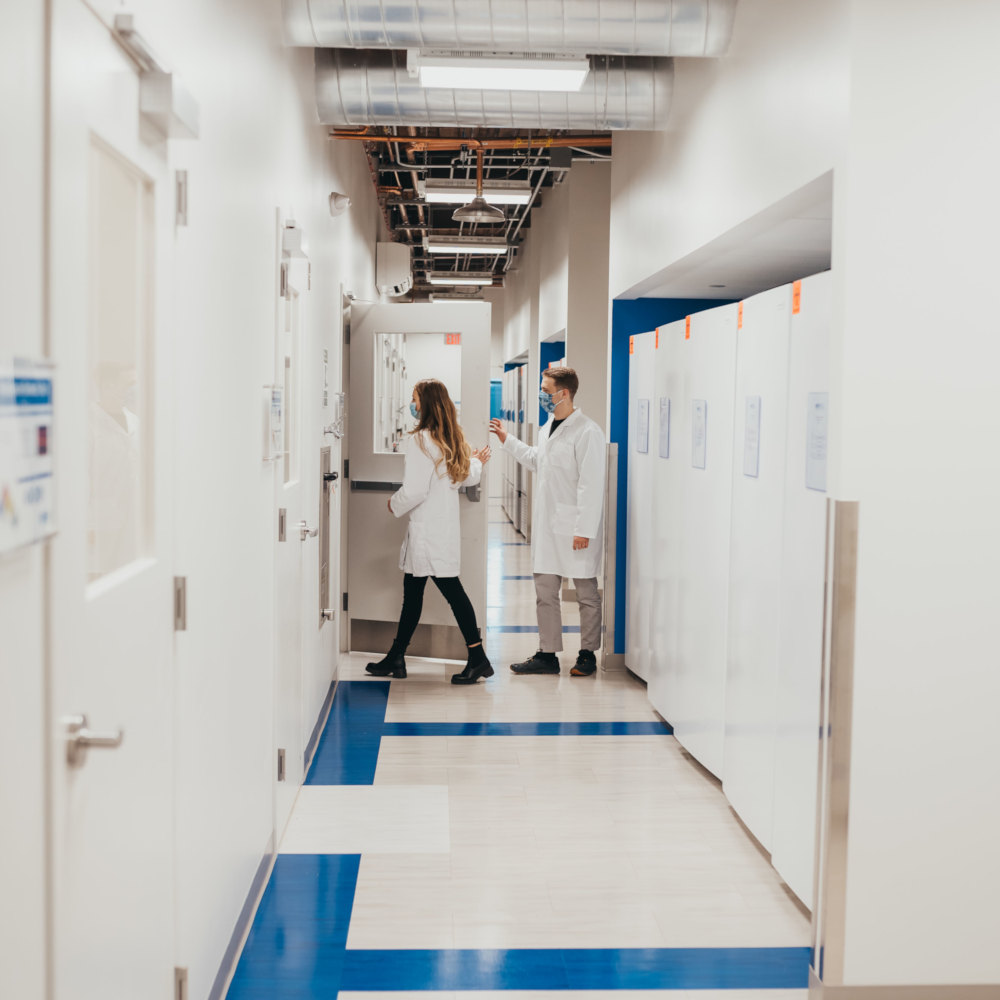
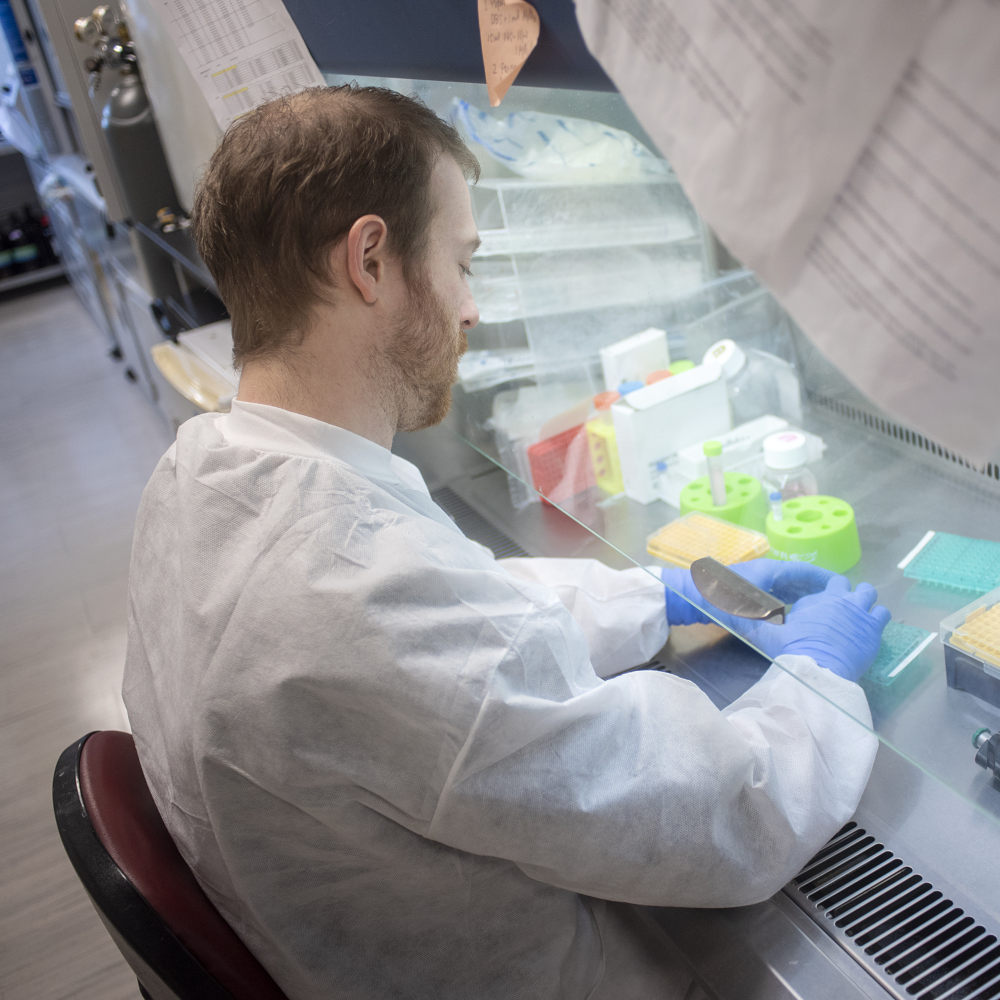
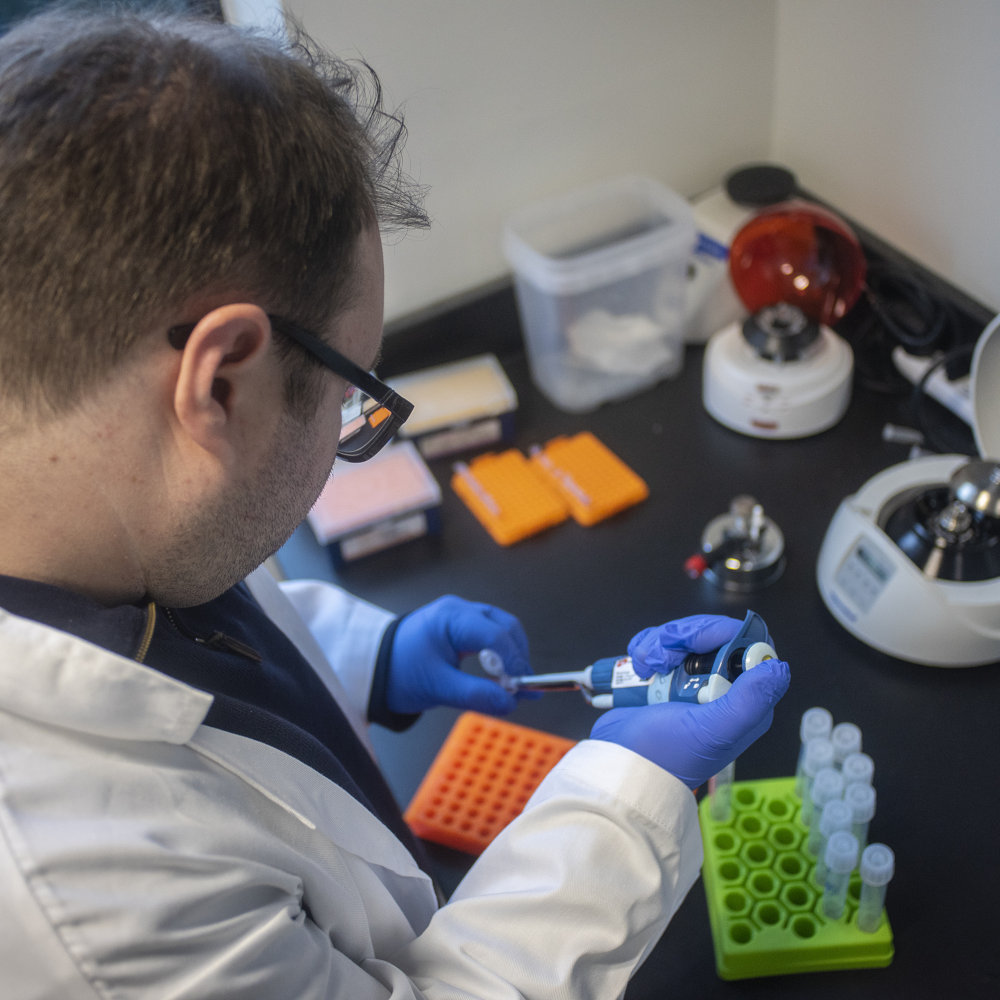
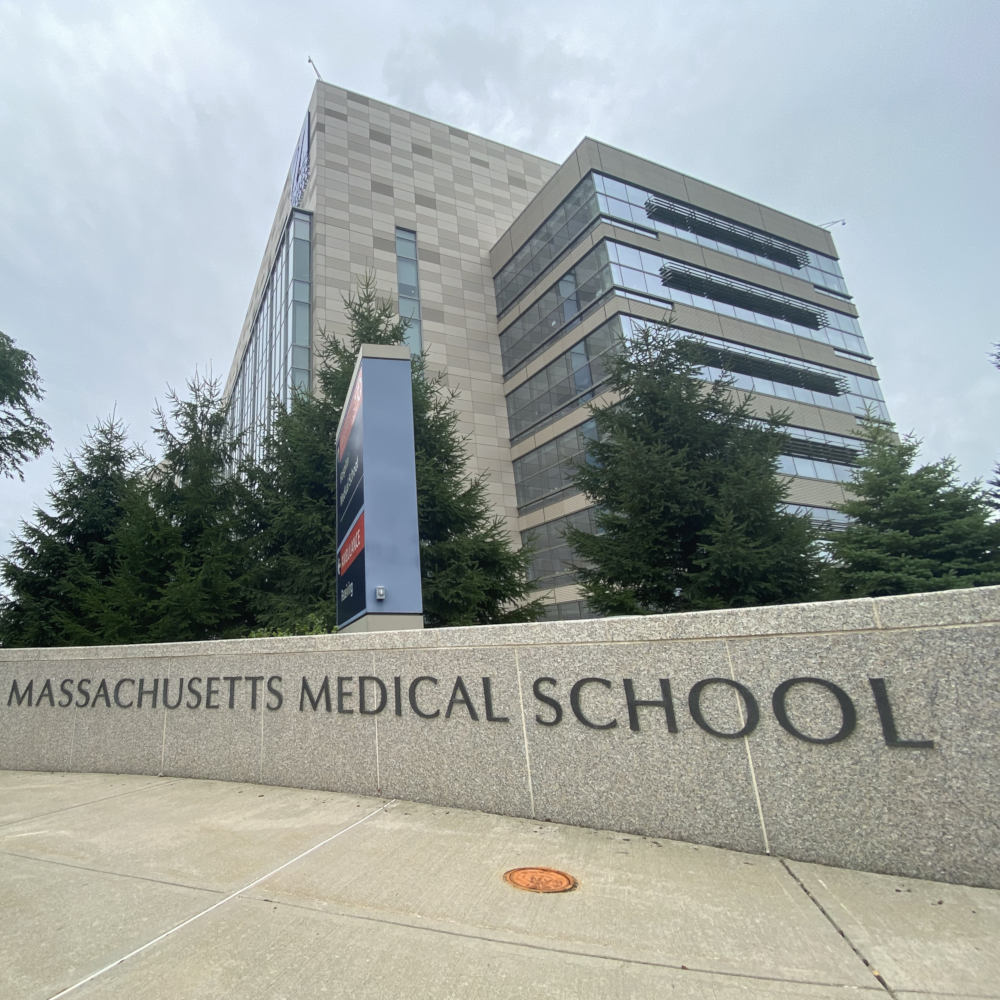
What makes Central Massachusetts a growing hub for life science companies?
-
TalentA Top 15 Life Sciences Talent Cluster, Worcester is home to 35,000 college students and a life sciences workforce nearly three times as dense as other metro areas
-
AccessibilityLocated within an hour of the world’s greatest biotech research cluster, Central Massachusetts provides unparalleled access to world-class research.
-
AffordabilityWith median home prices 6% less than Durham, NC, a bustling urban center, and pad-ready development space, Central Massachusetts offers access, affordability, livability, and room for the industry to grow.
Success Story Highlights

AbbVie Begins Construction on $70 Million Expansion to Further Increase Biologics Manufacturing and R&D Presence in the U.S.
AbbVie has announced the start of construction of a $70 million expansion at its AbbVie Bioresearch Center (ABC) in Worcester, Mass., which serves as a center of excellence for biologics research and development and manufacturing.
Veranova Relocates Headquarters to Devens, MA
Veranova is pleased to announce the move of its corporate headquarters to its Devens, Massachusetts facility
The latest in life sciences in Central MA
MassBio Industry Snapshot shows Worcester County was only in the Commonwealth with positive biomanufacturing job growth
Massachusetts’ growing leadership in advanced modalities, coupled with a friendly state policy landscape and potential federal government resources, provide an opportunity for the Commonwealth to substantially expand its biomanufacturing footprint.
130 Manufacturing Jobs Coming to Central MA
Two Central Massachusetts life sciences companies are expanding their presence in the state, committing to a total of 130 new jobs as part of a state tax incentive program designed to bolster the life sciences industry.
How Worcester is Emerging as a Tech and Biotech Center
Worcester’s journey to becoming a tech and biotech hub is rooted in its historical significance as a manufacturing city. During the 19th and early 20th centuries, Worcester was a thriving center for textiles, machinery, and manufacturing. However, as industries changed, the city faced economic decline, losing many of the factories and jobs that had defined its prosperity. The shift prompted local leaders to explore new paths, gradually moving Worcester’s focus toward technology, research, and education.